

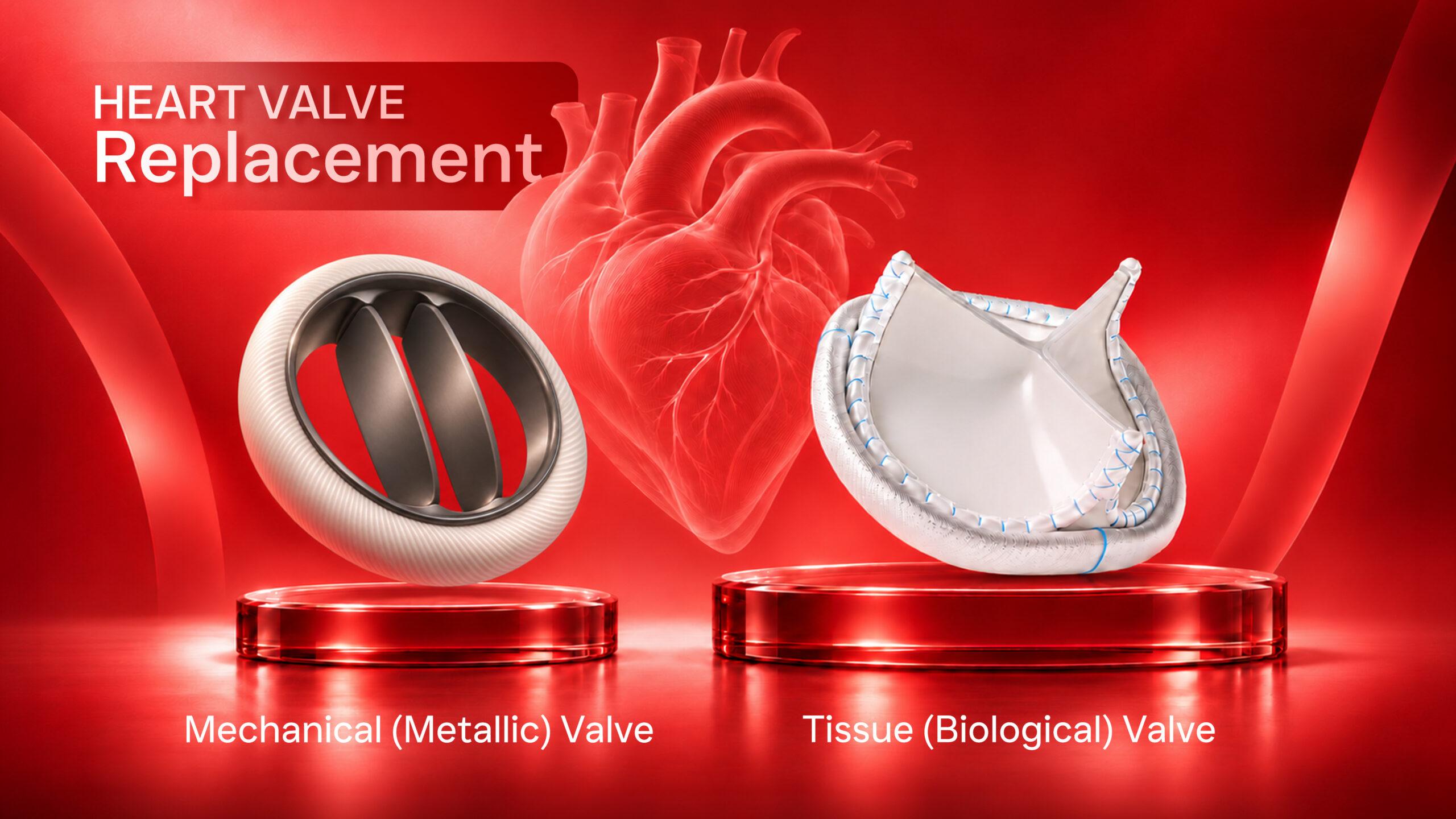
Mechanical vs. Tissue Heart Valves: Which Is Right for You?
If your doctor has told you that you need heart valve replacement surgery, you’ve probably already discovered there’s a big decision ahead: should you choose a mechanical (metallic) heart valve or a tissue (biological) heart valve? It’s a natural question to feel overwhelmed by — after all, this choice can affect your daily life, your medications, and even future surgeries. This guide breaks down the differences in plain, simple language so you can have a more confident conversation with your cardiologist or cardiac surgeon.
Why Do Some Heart Valves Need to Be Replaced?
The heart has four valves that keep blood flowing in the right direction. Over time, due to age, disease, infection, or congenital disabilities, a valve can become narrowed (stenosis) or leaky (regurgitation). When medication and lifestyle changes are no longer enough, heart valve replacement surgery becomes the recommended treatment. Surgeons typically replace the damaged valve with either a mechanical valve or a tissue valve — and understanding the difference is the first step toward making the right choice for your health.
What Is a Mechanical (Metallic) Heart Valve?
A mechanical heart valve is made from durable materials like titanium, carbon, or other metal alloys. It’s engineered to open and close with each heartbeat, just like a natural valve.
Key benefits:
- Long-lasting — mechanical valves are built to last a lifetime and rarely need replacement.
- Fewer repeat surgeries — because of their durability, most patients with a mechanical valve never need a second valve operation.
Things to consider:
- Lifelong blood thinners required — mechanical valves increase the risk of blood clots, so patients must take anticoagulant medication (such as warfarin) every day, for life.
- Regular blood monitoring — this medication requires frequent blood tests to keep clotting levels in a safe range.
- Bleeding risk — being on blood thinners long-term means even minor injuries can bleed more than usual, and certain activities or other medications may need to be avoided.
- A clicking sound — some patients report hearing or feeling a faint clicking of the valve, which is normal but takes getting used to.
What Is a Tissue (Biological) Heart Valve?
A tissue valve is made from biological material — most often taken from a cow (bovine) or pig (porcine), and specially treated to be safe for human use. Some tissue valves are also made from human donor tissue.
Key benefits:
- No lifelong blood thinners needed — most patients only need blood-thinning medication for a short period after surgery, if at all.
- Feels more “natural” — many patients say a tissue valve feels closer to how their original valve functioned, without the clicking sound.
- Fewer lifestyle restrictions — without the need for constant anticoagulation monitoring — mean daily life often feels less restricted.
Things to consider:
- Shorter lifespan — tissue valves typically last 10 to 20 years, meaning younger patients may eventually need a second replacement surgery.
- Wear over time — like any biological tissue, these valves can degrade faster in younger, more active patients or those with certain health conditions.
Metallic vs. Tissue Valve: A Quick Comparison

So, Which Heart Valve Is Right for You?
There’s no single “best” valve for everyone — the right choice depends on your unique health profile. Your cardiac care team will typically consider:
- Your age — Younger patients are often steered toward mechanical valves because of their durability, reducing the need for repeat surgery. Older patients may be better candidates for tissue valves since they’re less likely to outlive the valve’s lifespan.
- Your lifestyle and occupation — If you’re highly active, play contact sports, or have a job with a higher risk of injury, the bleeding risk from lifelong blood thinners may be an important factor.
- Future plans, like pregnancy — Women who are planning to have children may be advised to consider a tissue valve, as blood thinners used with mechanical valves can pose risks during pregnancy.
- Your ability to manage regular monitoring — Some patients prefer the predictability of tissue valves over the ongoing commitment of blood tests and medication management that mechanical valves require.
- Other existing health conditions — Kidney disease, a history of bleeding disorders, or other conditions can influence which valve is medically safer for you.
Questions to Ask Your Doctor before your surgery, it can help to write down questions like:
- Based on my age and health, which valve type do you recommend, and why?
- What would my daily life look like with a mechanical valve versus a tissue valve?
- How often will I need blood tests if I choose a mechanical valve?
- What’s the realistic chance I’ll need a second surgery with a tissue valve?
- Are there newer, minimally invasive options available to me?
The Bottom Line
Both mechanical and tissue heart valves are safe, well-established options used successfully in patients worldwide every day. The “right” choice isn’t about which valve is technically superior — it’s about which one fits your life, your health goals, and your long-term plans. The most important step is to have an open conversation with your cardiac surgeon, who can walk you through your specific risk factors and help you choose the valve that offers the best quality of life going forward.
This article is for general educational purposes and does not replace personalized medical advice. Always consult your cardiologist or cardiac surgeon before making decisions about heart valve replacement surgery.
References:
- https://nmji.in/rheumatic-heart-disease-in-india-declining-but-not-fast-enough/
- https://timesofindia.indiatimes.com/city/lucknow/sgpgims-researchers-isolate-grow-human-heart-valve-cells-in-lab/articleshow/132670281.cms
- https://pmc.ncbi.nlm.nih.gov/articles/PMC12789571/
- https://pmc.ncbi.nlm.nih.gov/articles/PMC12969019/
- https://pmc.ncbi.nlm.nih.gov/articles/PMC4121759/
- https://cdt.amegroups.org/article/view/26186/html